
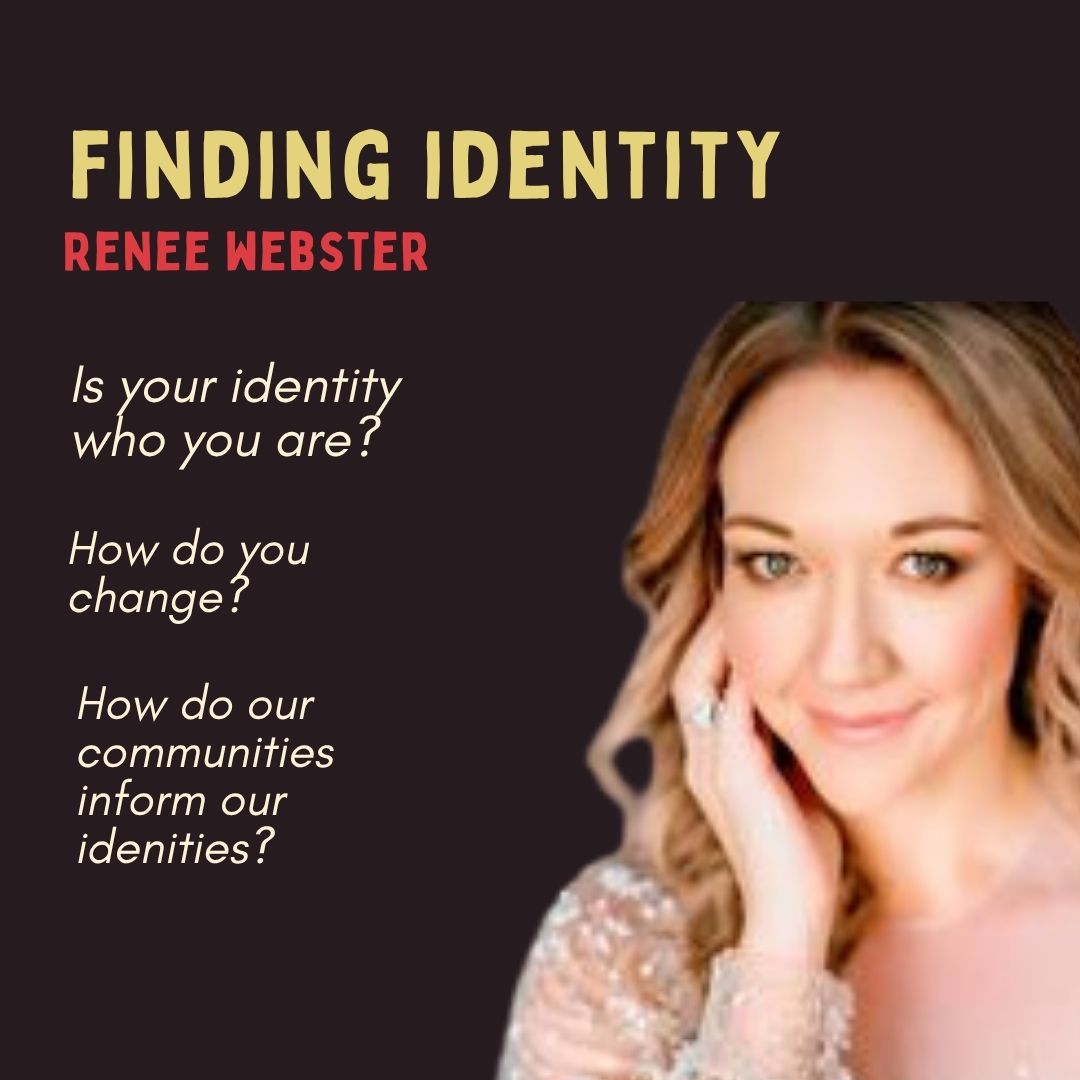
THE FIRST CONVERSATION
Who are you?
Renee was the guest at the very first Taco’Bout at The Establishment, where the subject was identity.
THE RETURN
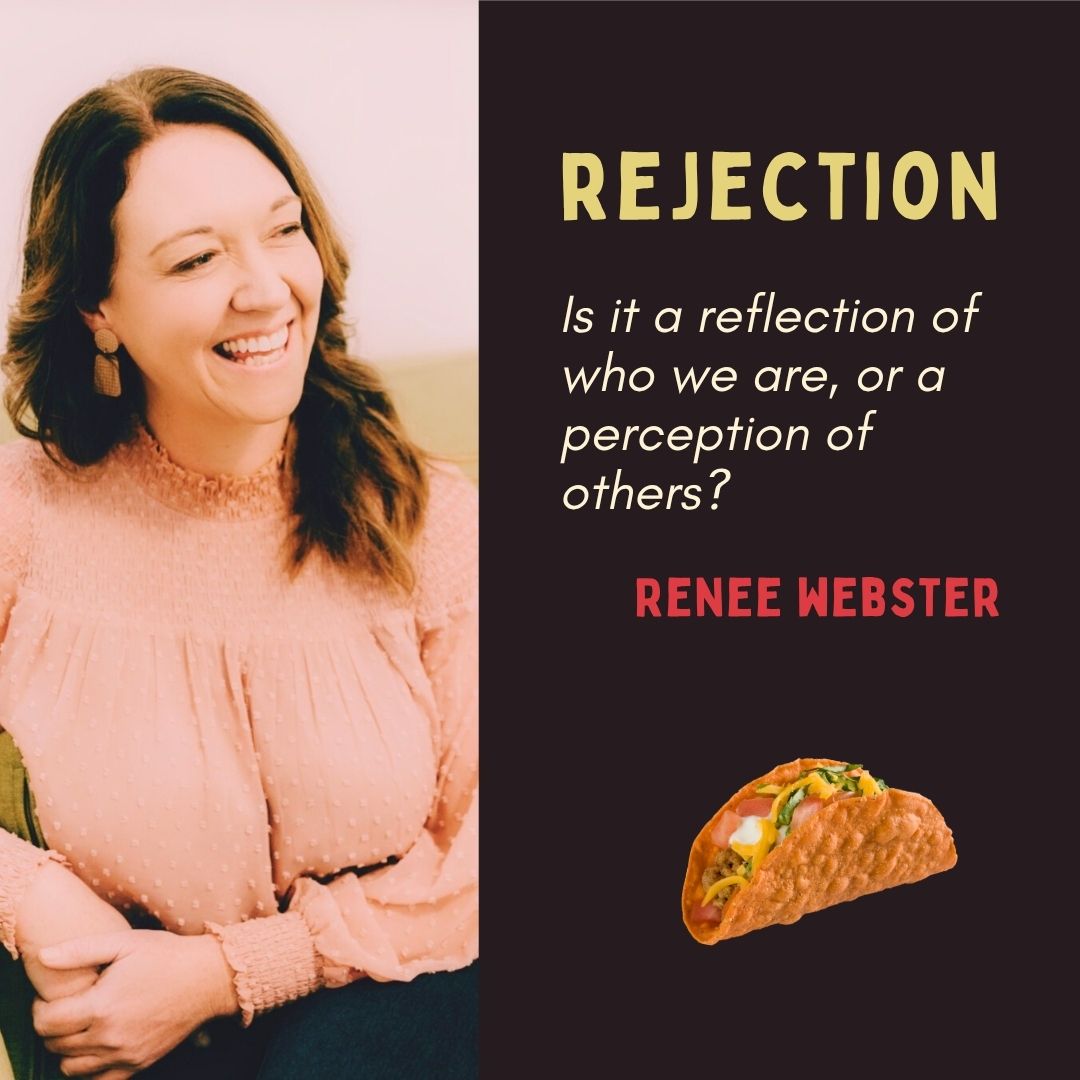
What does rejection actually mean?
Renee came back for another Taco’Bout, this time around rejection and what we make somebody else’s no mean about ourselves.
THE FIRST TACO’BOUT
We began with possibly the smallest question and the biggest answer.
Who are you?
Not what do you do.
Not who are you married to, whose mother are you, what job title sits underneath your name or which boxes would somebody else tick for you.
Just: who are you?
Renee Webster was the guest at the very first Taco’Bout at The Establishment.
The format itself was deliberately uncomplicated: tacos, a useful human, a subject worth talking about and enough informality for everyone else in the room to join in.
Renee brought the professional lens. The rest of us brought our own messy evidence.
Identity sounds philosophical until the thing you used to identify yourself disappears.
THE LABELS
Most of us have several answers to “who are you?” ready to go.
Mother.
Wife.
Manager.
Carer.
Business owner.
Successful person. Useful person. Strong person. The one who holds everything together.
Those labels are not fake. They are real parts of a life.
The trouble starts when one role becomes so complete that losing it feels like losing yourself.
Children grow up. Jobs end. Relationships change. Bodies change. Plans collapse. Careers shift. Sometimes we choose the change and sometimes it turns up uninvited.
Perhaps the useful question is not “Who am I without that?” but “What else was here all along?”
THEN CAME REJECTION
Renee came back.
The next time, the subject was rejection.
It had been prompted by a conversation around the Olympics, but the interesting part was much broader.
What does rejection actually tell us?
And perhaps more importantly: who is it actually about?
A job can say no.
A funder can say no.
A partner can leave.
An audience might not respond.
An idea can fail.
The event is one thing.
The story we immediately build around it can become something much bigger.
A no can be disappointing without becoming a verdict on your worth.
THE SPACE BETWEEN
This is the bit we are often terrible at.
Something ends and we immediately want to know what replaces it.
What is the next job?
The next project?
The next relationship?
The next plan?
We are much less comfortable with the bit where we do not know yet.
But identity does not always need to be repaired immediately.
Sometimes there is a period where the old answer no longer works and the next answer has not arrived.
Not knowing who you are becoming is still a place you are allowed to be.
THEN THE BODY
By Grounded, the conversation had changed shape.
At the 2026 Orana Every Woman Festival, Renee returned as part of Grounded.
The morning began with Martine Beaumont exploring women, identity, leadership and the generations we carry.
Renee took the second half in another direction.
The Festival material described Renee at the time as a psychological therapist, life strategist and founder of Life Blueprint Experiential Retreats. Her session centred on somatic awareness, nervous-system regulation and deep internal restoration.
The room became quiet and darkened.
Instead of another discussion about doing more, Renee guided a restorative practice built around slowing down, settling and reconnecting.
That is an interesting evolution from our first conversation.
Who are you?
What does rejection mean?
And eventually: perhaps you do not have to think your way through absolutely everything while your whole system is exhausted.
Sometimes the next useful thing is not reinvention. It is rest.
STARTING AGAIN
Starting again does not have to mean becoming an entirely different person.
I think this is where Renee’s different conversations meet.
Identity asks us not to confuse one role with the whole self.
Rejection asks us not to confuse somebody else’s answer with our value.
Grounded reminds us that clarity is difficult to force when we are depleted.
And starting again may not be a dramatic transformation at all.
It might be recognising what remains.
Making one different decision.
Allowing one old label to loosen.
Or giving yourself enough space to discover that the person underneath it all has not actually disappeared.
You do not always need a brand-new self. Sometimes you need enough quiet to find the one who was there before the labels got loud.
— Sharon