
Template 1
March 26, 2026The best stories are already in the room
August 13, 2026Template 1
March 26, 2026The best stories are already in the room
August 13, 2026INSPIRED BY HER · 2026
Tin Town
Tess
A historical-fiction monologue set against life in Dubbo’s Tin Town.
Written by Erifili Davies · Performed by Kalina Davis
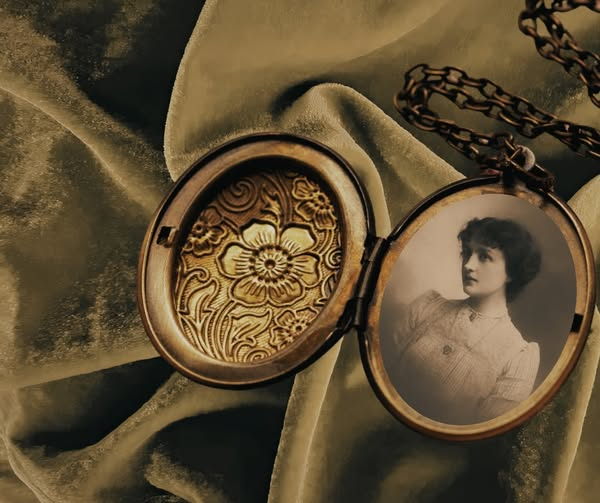
THE STORY
From Paddington in 1916 to a soldier settlement outside Dubbo — and eventually Tin Town.
Erifili Davies imagines one woman’s life shaped by love, war, hope, drought, debt and endurance.
Written for the inaugural Inspired by Her exhibition and brought to life by local performer Kalina Davis.
READ
I’m only thirty-three.
I know, you’re thinking I look a lot older. If you’ve lived a life that lands you in Tin Town, you’ve lived a life that ages you before its time.
It’s a long way from Paddington, where I married my sweetheart in 1916. I was sixteen, George was eighteen, and he’d enlisted to do his duty for God, King, and Country. We were so in love, and the war made us heady with fear; fear of missing out, fear of death, fear of the unknown. Mother and Father took some convincing, but George had finished school top of his class and already had a place at medical school. We had it all planned; he’d come back, study medicine, become a doctor, and we’d settle into a comfortable life with a cook and a maid. Nothing too ostentatious. Just a good life. An ordinary, good life.
Only the George who came back in May 1919 wasn’t the same man. I was so ready to start our life together, but it was as though his soul had stayed behind in France. People told me not to worry. He just needed time. But days became weeks, then months. Twice he tried to start his medical studies. Twice he stopped. And each time he stopped, something else went out of him.
“It was as though his soul had stayed behind in France.”
Our married life… When we were… first together, we were clumsy and without a clue, but it was tender and loving and fun! When he came home from the war, it was… mechanical. He just did it, and I don’t think it mattered to him what I felt. I told myself at least I could give him some comfort as a wife. I held onto that.
Then in 1921, George found out about the soldier settlement scheme. They’d give him land near Dubbo, a farm, a loan to start, something to build. He lit up like the young man I’d married. He threw himself into studying books and journals and rainfall charts. I learned to cook and bottle preserves and mend everything twice. On October 12th, 1921, after a long uncomfortable train journey, we arrived. George was glowing. I walked into the hut, with its dirt floor, wood stove, and an outhouse forty yards from the door, and it was all I could do not to weep. But George was happy. For the first time in two years, he was my George again. So I put on a brave face. And I kept it there.
That first year he planned and tilled and toiled. When things went wrong he went back to the books. When our second child was born in the hut, just me and the bush nurse and George white-faced in the doorway, he held her like he was seeing the miracle of life for the first time. And for a moment, I believed we were going to be alright.
But you can’t learn farming from books. One failure followed another, quiet and grinding, and the hope went out of him the way a lamp does when the kerosene runs low; slowly, then all at once. The thing that finally broke him, I think, wasn’t the drought or the debt. It was the other farmers. The men whose fathers had worked that land, who were always politely kind to him. That kindness, that’s also a kind of verdict.
He drank. He withdrew further than he ever had after the war. The farm was taken back. I tried washing and mending but by 1930 nobody had money for that either, and we were evicted.
So here we are. Six children. George built our hut here and it’s solid. Working with his hands brings something out in him that nothing else can now. He comes and goes. Mostly goes.
I’ve long lost touch with my family in Paddington. I don’t know how to write the letter that explains how I came to be here. I look at my eldest, Rose. She’s strong and kind, and sharp as a tack. And I wonder whether I should swallow my pride and write to my sister in Sydney, who never had children of her own. Whether Rose at least deserves a chance at the life I thought I was going to have.
Tin Town Tess, they call me. I help where I can. For now, that’s enough.
I don’t dare hope for better.
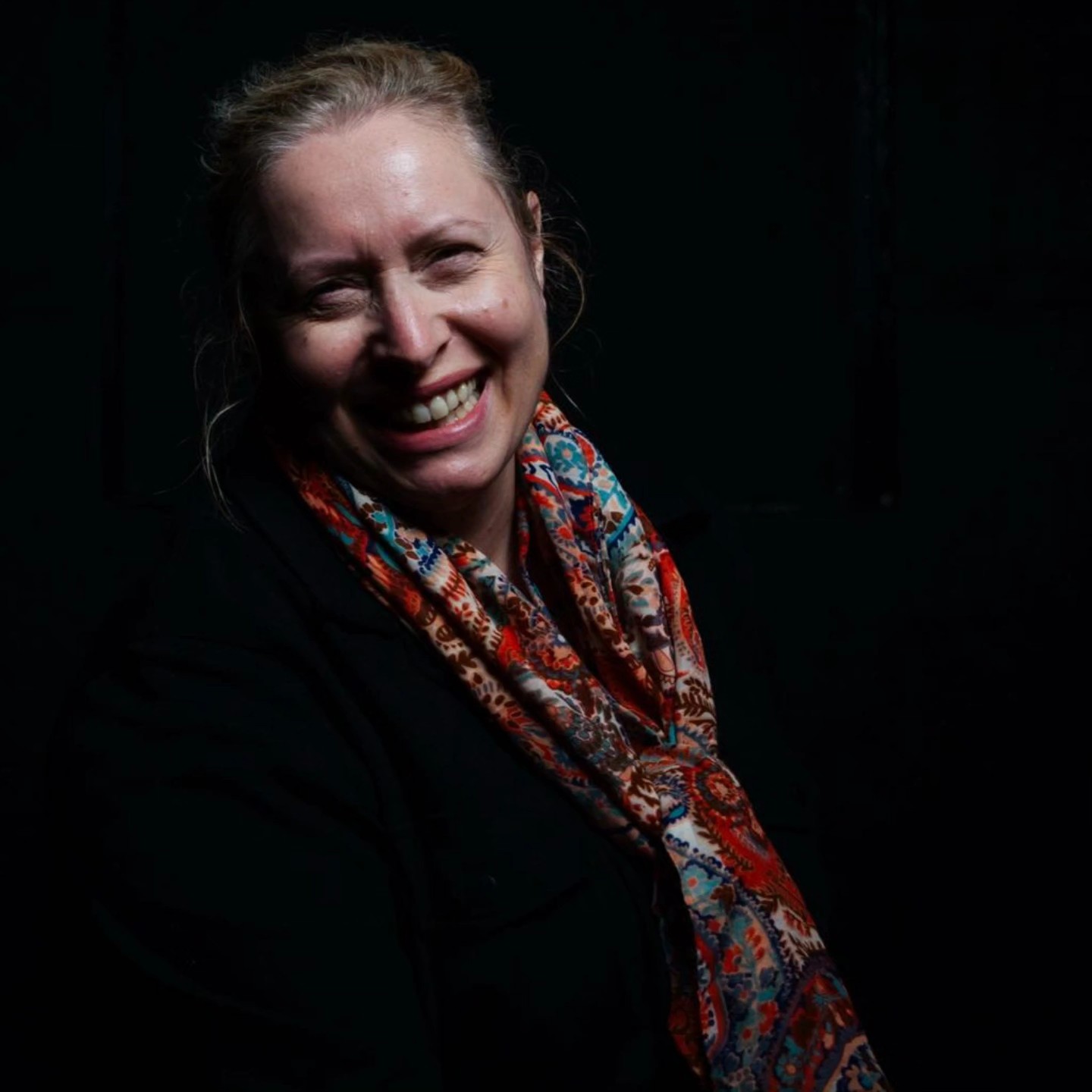
THE WRITER
Erifili Davies
Erifili Davies is a Dubbo-based writer and creative practitioner whose work spans theatre, film and community storytelling.
She curated and coordinated the inaugural Inspired by Her exhibition and contributed Tin Town Tess as one of its written works.
THE PERFORMER
Kalina Davis
Kalina Davis is an actor, singer, songwriter and writer. Her own contribution to Inspired by Her, Something New, was written and read by Kalina.
WATCH & LISTEN
INSPIRED BY HER · THE ORANA WOMAN
Eight women. Eight creative responses.
Continue through the inaugural Inspired by Her collection.