ONE WOMAN, MANY CONNECTIONS
A health professional. A convenor. A connector.
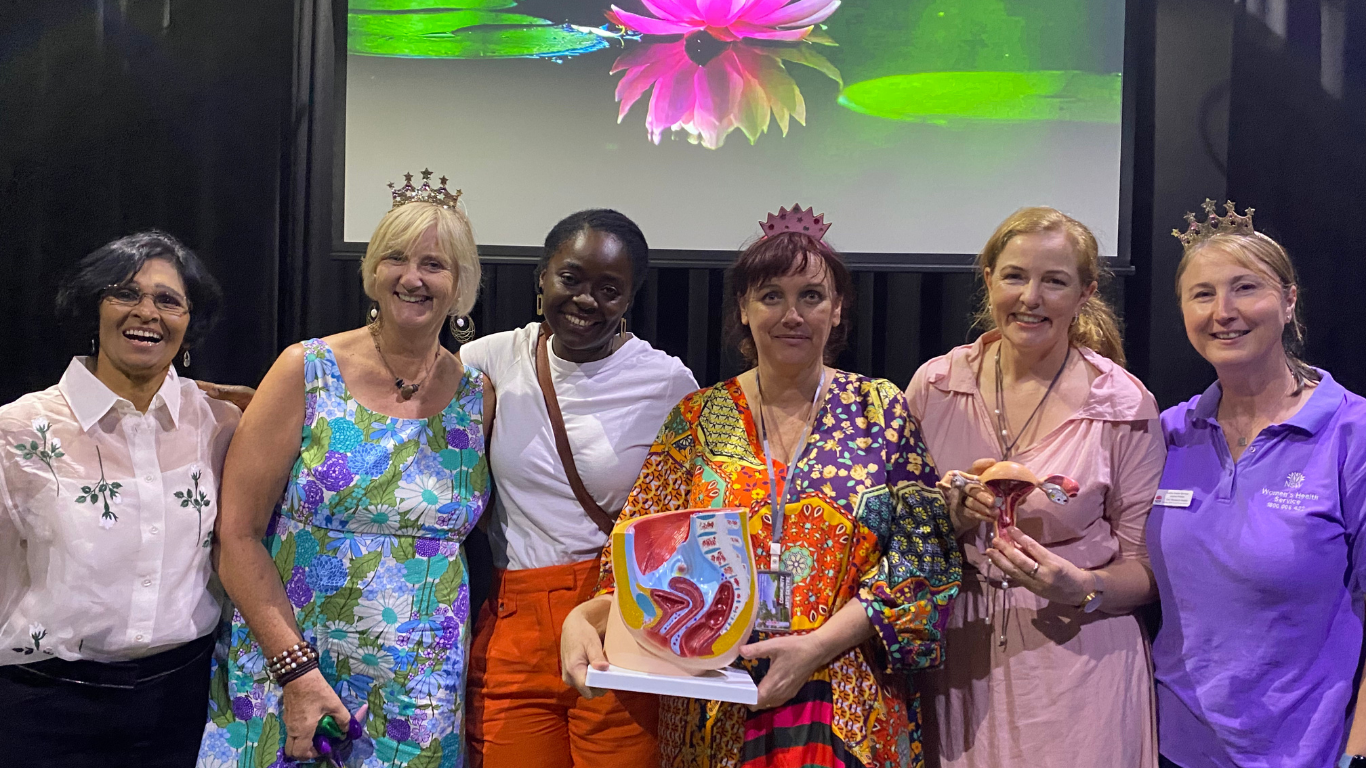
Sharon Quill. Lorna Brennan. Ange Conn. Melissa Matheson. Lucinda Ferguson. Marsha McBroom. Dr Pethidia Mango. One shared room, built through different relationships.
“The network existed before the Festival. Joanne helped bring it into the room.”
That is the difference between filling a program and building trusted local connection.
MORE THAN A PANEL
The professional description is only half the story.
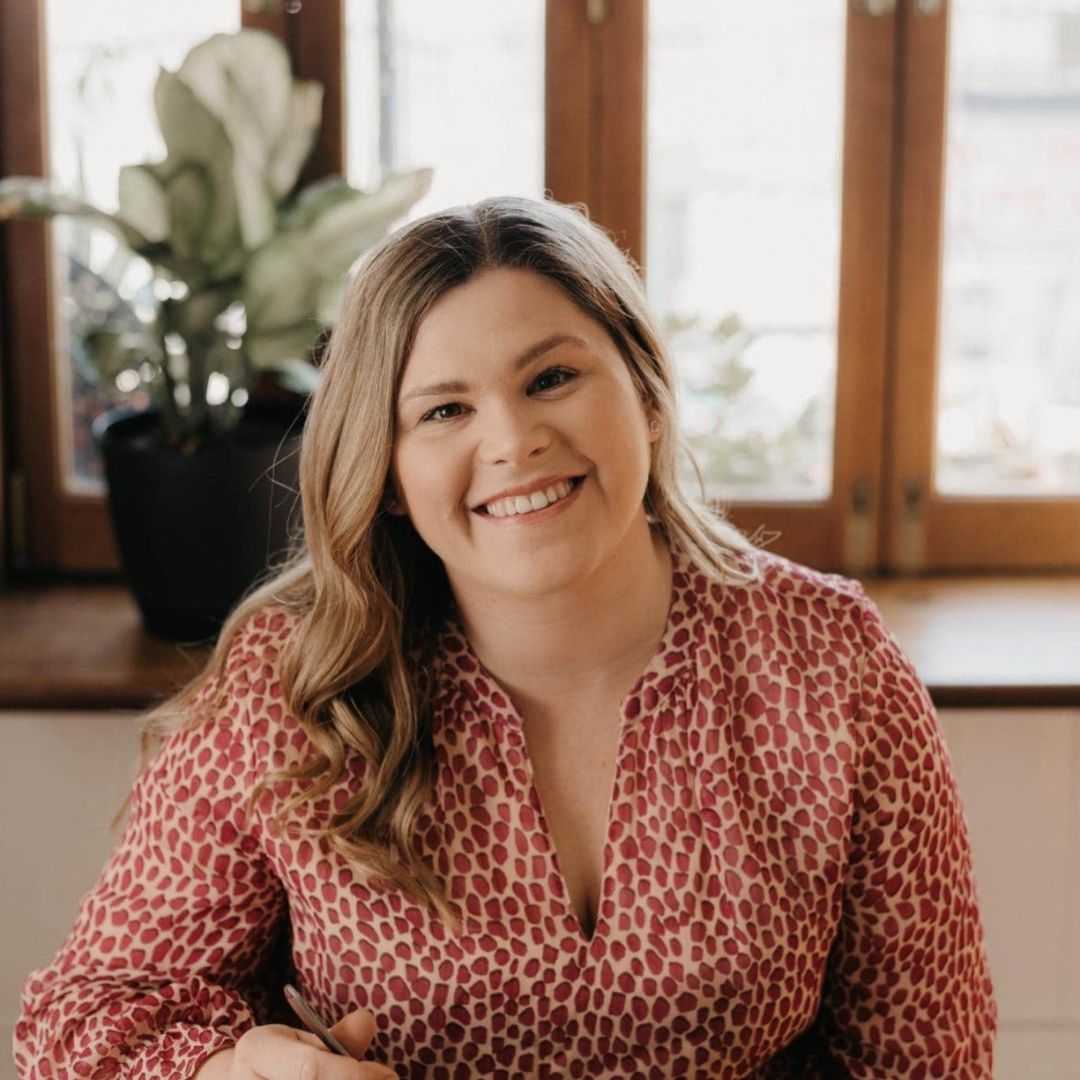
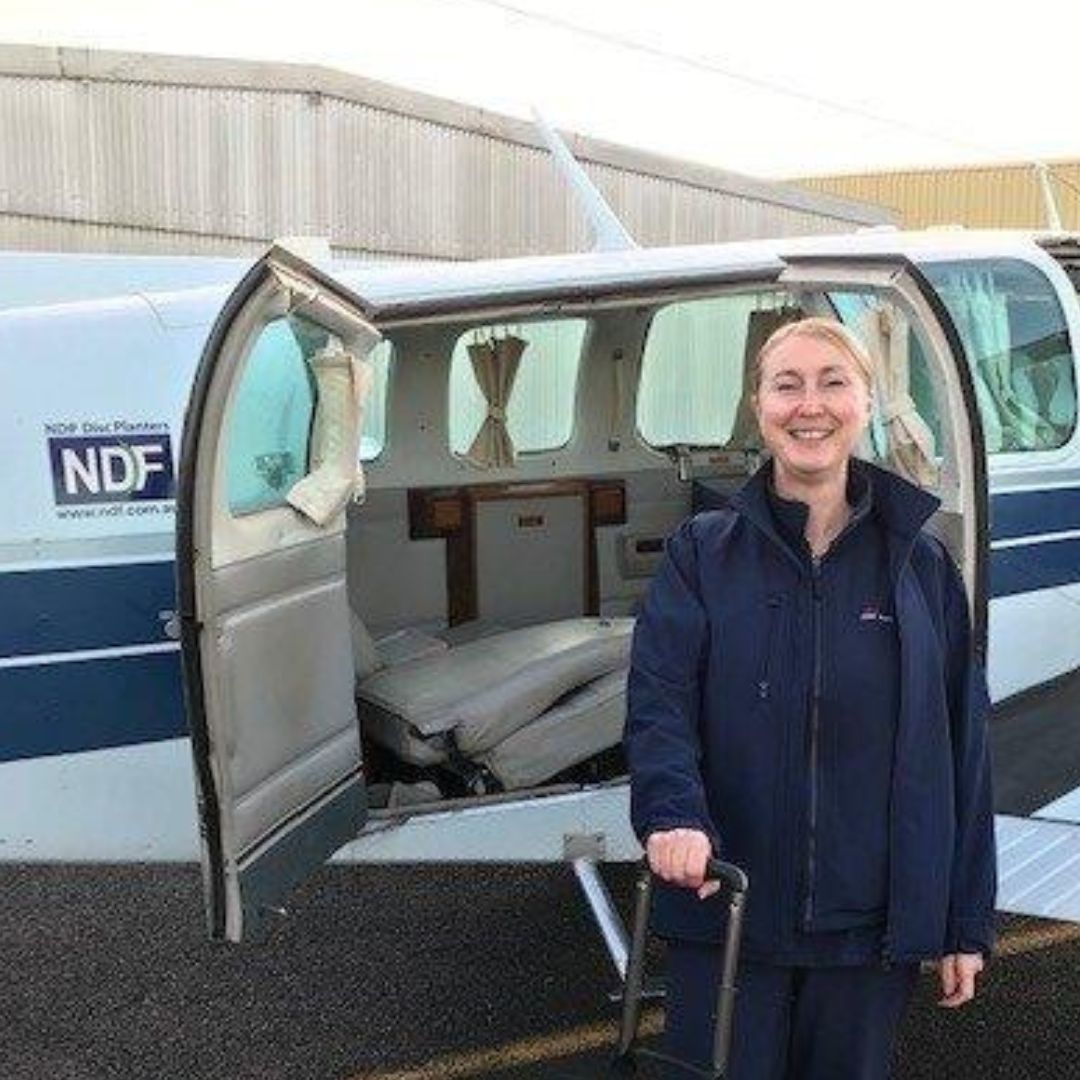
By the time the first Festival was taking shape, Joanne had around two decades of women’s-health experience behind her. Our 2024 profile described her as a Women’s Health Clinical Nurse Consultant based in Dubbo, working with patients, carers and health professionals and through outreach clinics and community health events across Western NSW.
That is the professional description.
The more interesting part for this story is what years of doing that work creates around a person.
Relationships. A knowledge of who is good at what. Who women trust. Who can explain something without making it frightening. Who knows when somebody else should be brought in.
When Sharon and Lorna began turning the Festival idea into an actual day, Joanne joined them as the third co-manager. She did not arrive as an invited health speaker after the program had been designed. She helped shape what the health part of the Festival could be.
Through Joanne’s professional network came women including Ange Conn, Melissa Matheson, Lucinda Ferguson and Marsha McBroom.
Ange’s work sat around perinatal psychology, including perinatal depression, birth trauma and early parent-infant bonding.
Melissa brought dietetics, exercise physiology and a Health at Every Size approach.
Lucinda brought women’s-health and paediatric physiotherapy and spoke across both of the first Festival panels.
Marsha brought midwifery and her experience supporting new parents through Tresillian.
Dr Pethidia Mango came through a different relationship. She was Sharon’s own doctor and was personally invited into the perimenopause and menopause conversation.
That is the network as it really happened. Not one person owning every connection. Different women opening different doors.
THE SEASONS OF A WOMAN’S LIFE
Proper information without making the room feel clinical.
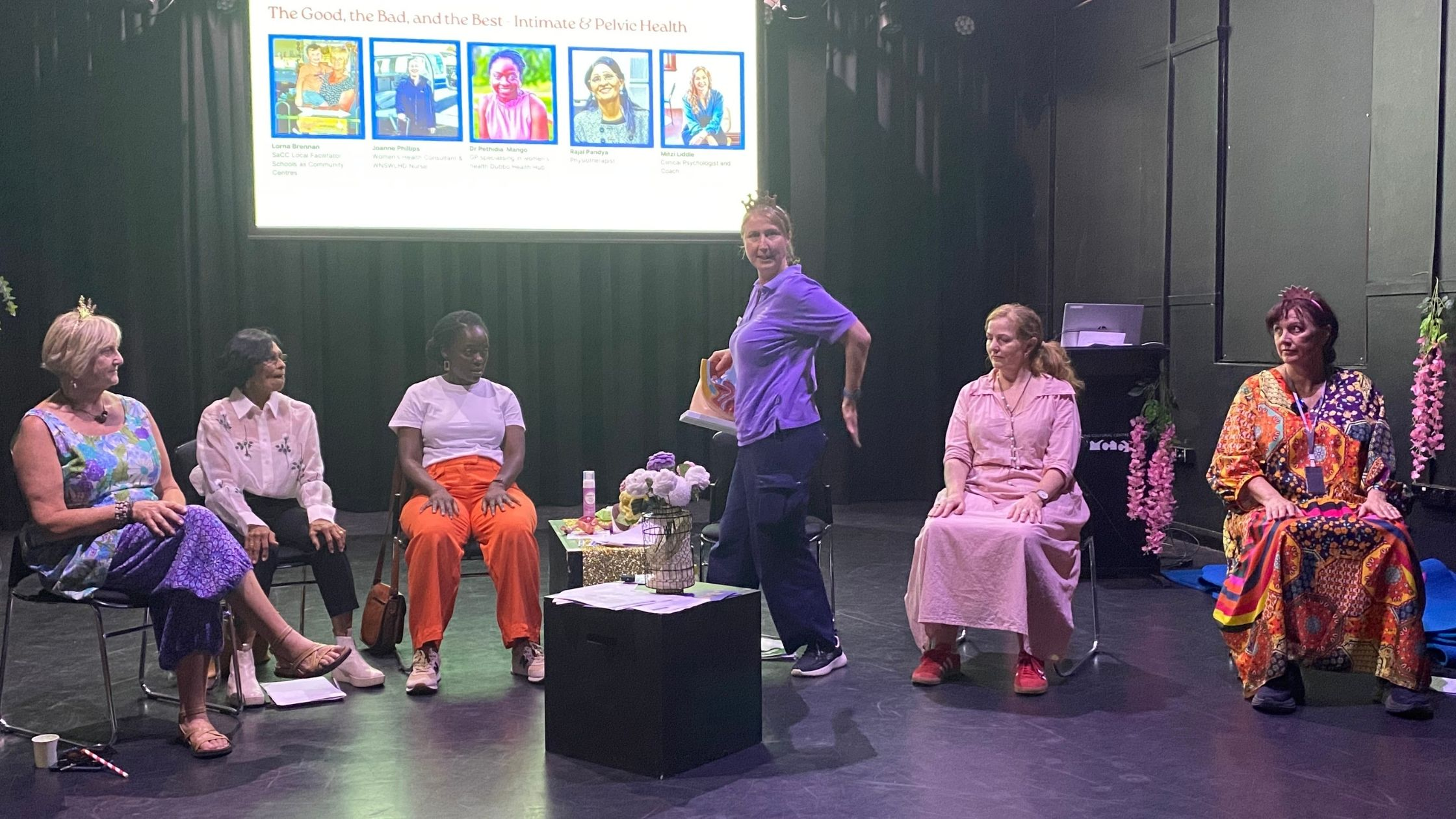
The first health conversations sat under the loose idea of the seasons of a woman’s life.
Periods. Pregnancy. Birth. Motherhood. Mental health. Bodies. Perimenopause. Menopause.
The things women need proper information about, but do not always want delivered as though they have accidentally wandered into a medical conference.
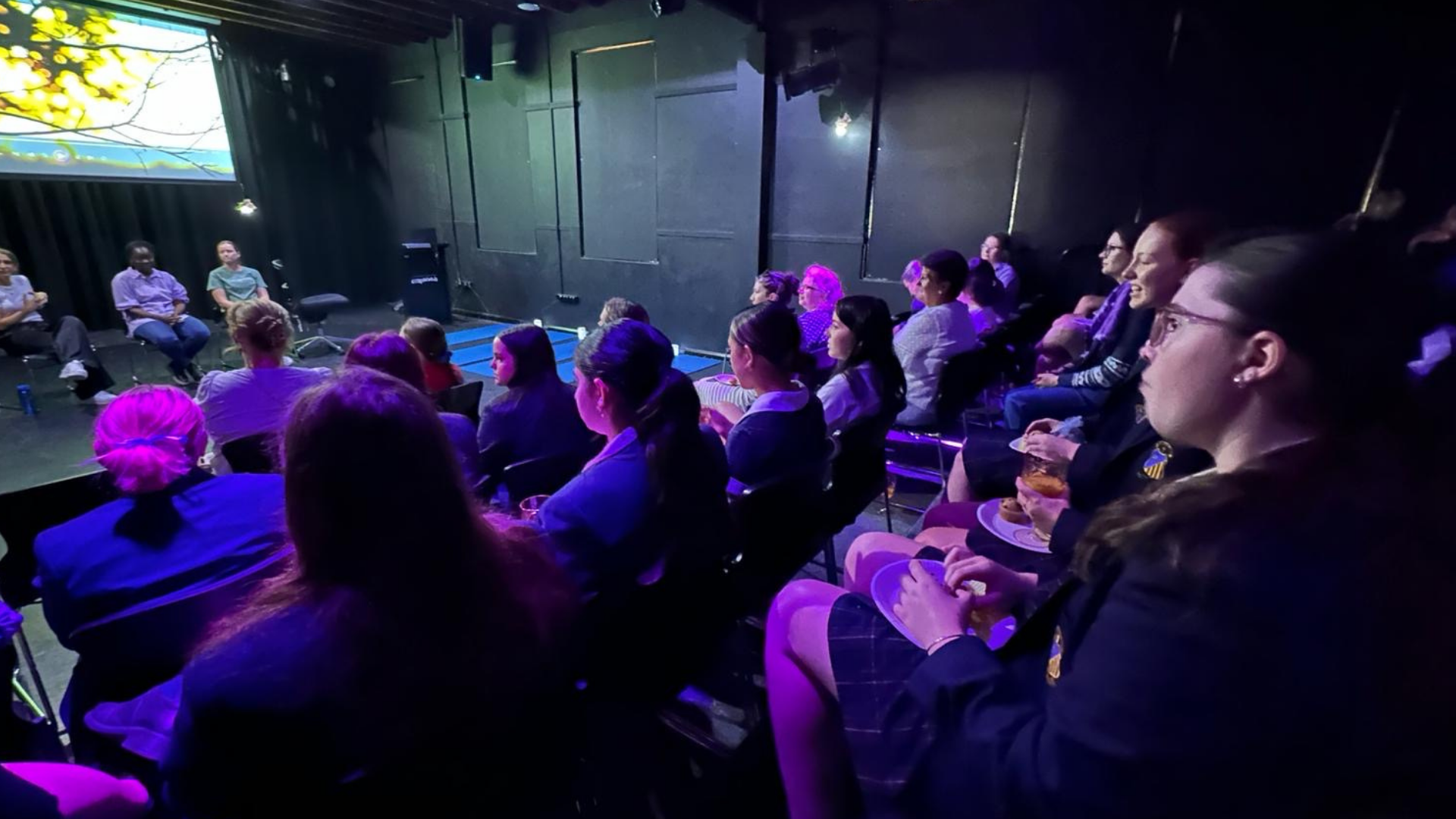
Sharon compèred the panels and asked the serious questions, the embarrassing ones and the ones people often think but do not quite say out loud.
Joanne’s network meant there were people in the room who could answer with professional knowledge.
The Festival setting meant the conversation did not have to feel clinical.
There was lunch. Music. Creativity. Women talking. People moving in and out of the day. A health conversation could sit beside a sing-along, a quiet moment or a chat with a friend.
A woman could come because she wanted a good day out. The right people could simply already be there.
RELATIONSHIP INFRASTRUCTURE
A service can exist and still be hard to reach.
We talk a lot about services in regional communities. We talk about whether a service exists, whether it is funded, whether there is an appointment available and how far somebody has to travel.
All of that matters.
But there is another layer that is harder to put into a spreadsheet: whether people know where to go, who they trust enough to ask, and whether the person they ask knows who should come next.
That is why Joanne’s role in the Festival was bigger than organising a panel.
She brought relationship infrastructure.
The Festival gave those relationships another public place to work.
Someone might hear Ange talk about perinatal mental health and recognise something in her own experience. Someone might hear Lucinda discuss pelvic health and realise a problem they had accepted for years was worth asking about. Someone might hear Melissa speak about food without shame. Someone might sit through a menopause conversation because her friend wanted to go and discover the question she had been meaning to ask for months.
The event does not replace the health system.
It can make the doorway easier to see.
WHAT KEEPS TRAVELLING
An event is not the end of the work.
One of the reasons Joanne belongs in the first edition of The Orana Woman is that her story shows what happens when we stop treating an event as the end of the work.
Those first health professionals did not cease to matter when the chairs were packed away.
Their original 2024 profiles are still useful source material. Their areas of expertise still connect to questions women are asking. The relationships around the Festival still give us a map of women who have been doing this work locally.
The Orana Woman lets us go back.
We can refresh those stories. Check what has changed. Meet the women properly rather than only introducing them as somebody on a panel. Connect their work to Women’s Health Week and to trusted health information. Let one profile lead to another.
That is the wider Sisterhood idea too.
Not a list of impressive women standing separately beside their achievements.
A web.
Joanne’s story makes that web unusually easy to see.
Sharon and Lorna had an idea for a shared day. Joanne joined them. Joanne knew women whose expertise could make the day useful. Sharon knew Pethidia. Those women brought knowledge into a room that also contained music, food, creativity and conversation. The Festival made more of that work visible. Now The Orana Woman can keep following the threads.
You do not have to be the expert in everything. You have to know when to make space for the people who are.